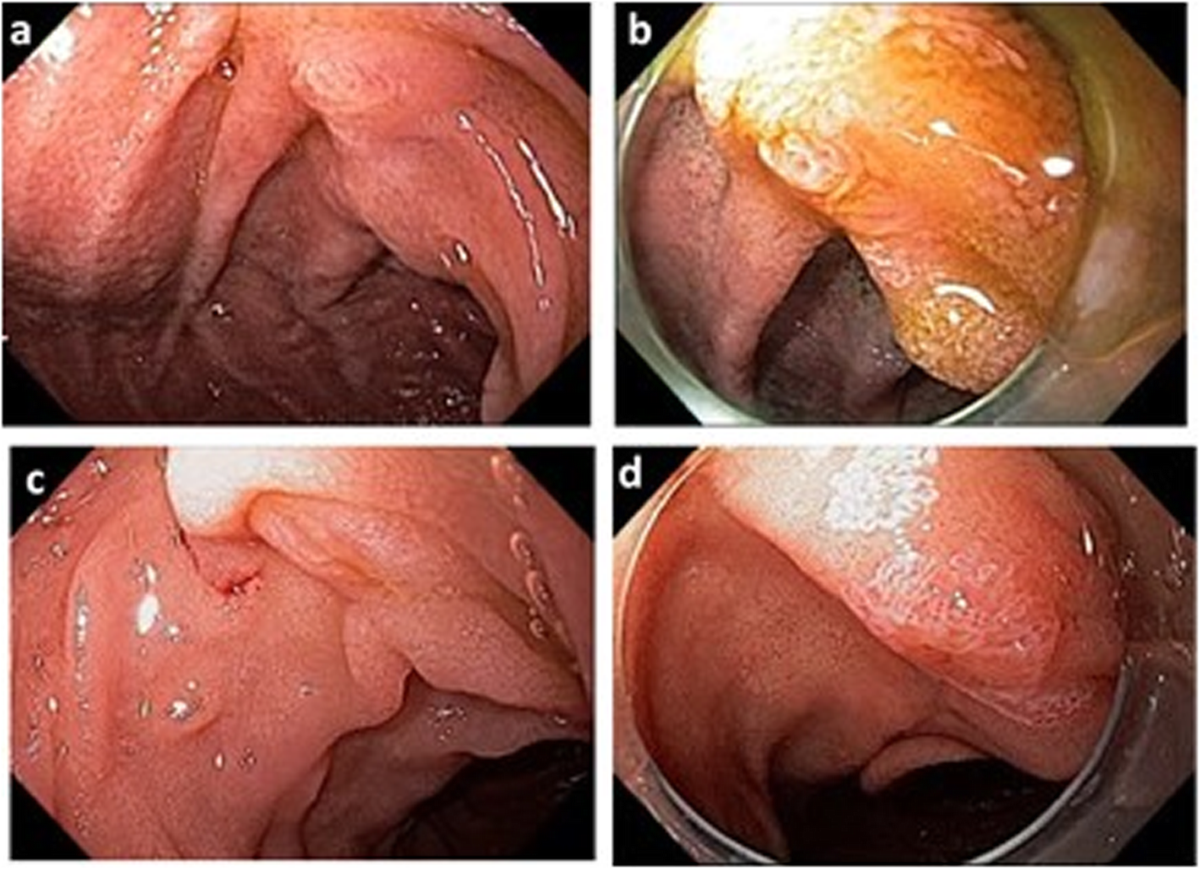
When your doctor recommends a gastroscopy with a biopsy, it’s natural to feel nervous. The procedure allows your specialist to examine the inside of your upper digestive tract and collect small tissue samples, which are then sent to a lab for testing. While this may sound serious, biopsies are a routine part of diagnosing many digestive issues. Understanding how to interpret the results can ease your anxiety and help you take informed steps forward in managing your health.
What Is a Gastroscopy Biopsy?
A gastroscopy procedure is a medical procedure that involves passing a thin, flexible tube with a camera through your mouth and into your esophagus, stomach, and duodenum (the first part of your small intestine). If anything looks abnormal—such as inflammation, ulcers, or suspicious growths—your doctor may take a small sample of tissue. This is known as a biopsy.
These samples are then sent to a pathology lab, where they are examined under a microscope. The goal is to check for signs of infection, inflammation, precancerous changes, or diseases like celiac disease or even gastric cancer.
Why Are Biopsies Taken?
Many people associate biopsies with cancer, but in the context of a gastroscopy test, they are often taken for much less alarming reasons. For instance, if you’ve been experiencing symptoms like chronic indigestion, nausea, or upper abdominal pain, a biopsy can help your doctor determine if there is an underlying issue such as Helicobacter pylori (H. pylori) infection, which is a common cause of ulcers.
In patients with long-standing acid reflux, biopsies may be used to detect changes in the esophageal lining, such as Barrett’s esophagus, which has the potential to develop into cancer over time. In other cases, biopsies might be used to diagnose autoimmune conditions, like celiac disease, where the body reacts to gluten and damages the small intestine.
Understanding the Terminology in Your Report
Once the biopsy results come back, you may be given a pathology report filled with medical terms that are unfamiliar. Here’s a breakdown of what you might find:
- Gastritis: Inflammation of the stomach lining. This can be mild, moderate, or severe and may or may not be linked to H. pylori infection.
- Intestinal metaplasia: A condition where the stomach lining begins to resemble the lining of the intestines, which may increase the risk of gastric cancer.
- Dysplasia: Abnormal cells that are not yet cancer but could develop into cancer over time.
- Negative for malignancy: Good news—this means no cancer was found in the biopsy sample.
- Positive for H. pylori: Indicates a bacterial infection that can be treated with antibiotics.
If anything unclear appears in your report, don’t hesitate to ask your doctor to walk you through it. Understanding the medical language will empower you to make better health decisions.
What Happens After the Results?
Your next steps will depend on what the biopsy reveals. If the results are normal, your doctor may focus on managing your symptoms with lifestyle changes, dietary adjustments, or medications. If an infection like H. pylori is found, a course of antibiotics is typically prescribed.
Should there be signs of abnormal tissue or precancerous changes, your doctor might recommend more frequent monitoring or additional testing. In rare cases where cancerous cells are found, you’ll be referred to a specialist for further management, which may include imaging, surgery, or oncology consultation.
Importance of Follow-Up
Regardless of the outcome, follow-up appointments are crucial. The information from a gastroscopy and its biopsy not only gives a snapshot of your current digestive health but also acts as a guide for future treatment. If you’ve undergone a gastroscopy and are waiting on results, be proactive in staying in touch with your healthcare provider.
Gastroscopy is more than just a diagnostic tool—it’s a step toward preventive care. If you’re advised to have this procedure, rest assured that it can offer valuable insights into conditions that might otherwise remain undetected.
In summary, receiving your biopsy results may feel overwhelming at first, but understanding the purpose behind the test and the meaning of common findings can make the experience much less intimidating. With timely action and proper guidance, many issues detected through gastroscopy can be managed effectively, giving you peace of mind and a clearer path to better digestive health.