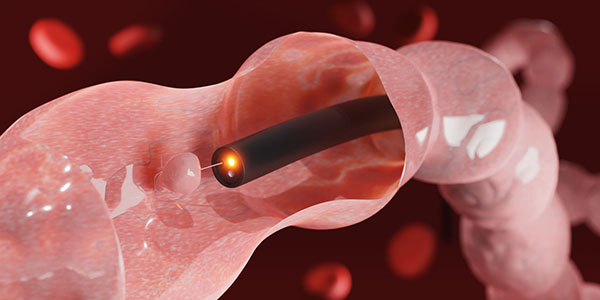
Colonoscopy is a vital procedure for detecting and preventing colorectal diseases, including cancer. One of the critical advantages of this procedure is the ability to remove polyps, abnormal growths in the colon lining, during the exam itself.
Emergency polyp removal during colonoscopy procedure is an effective and often lifesaving intervention. This article explores the benefits of this immediate action and why it plays a crucial role in colorectal health.
What Are Polyps and Why Do They Matter?
Polyps are small clusters of cells that form on the lining of the colon or rectum. While most polyps are benign, some have the potential to develop into colorectal cancer over time. The size, type, and number of polyps can influence their risk of becoming malignant.
Detecting polyps early is key to preventing colorectal cancer, which is one of the most common cancers worldwide. Unfortunately, polyps often don’t cause symptoms, which is why regular colonoscopy tests are essential.
Why Emergency Polyp Removal During Colonoscopy?
During a colonoscopy, if a polyp is detected, doctors have the option to remove it immediately, sometimes even if the polyp wasn’t expected before the procedure. This emergency removal is beneficial because it eliminates the abnormal tissue before it can develop into cancer.
Waiting for a separate procedure to remove polyps can cause delays in treatment, increased anxiety, and sometimes additional risks. Emergency polyp removal streamlines care, offering a faster, more efficient solution.
Benefit 1: Immediate Cancer Prevention
One of the most significant benefits of removing polyps during colonoscopy is the immediate reduction in cancer risk. Polyps are often precursors to colorectal cancer. By removing them as soon as they are found, doctors prevent these growths from progressing to malignant tumors. This immediate intervention can significantly lower the chance of developing advanced colorectal cancer, which is harder to treat and has a poorer prognosis.
Benefit 2: Reduced Need for Additional Procedures
When polyps are removed during the initial colonoscopy, patients often avoid the need for additional surgeries or follow-up procedures. This reduces both the physical and emotional burden on the patient.
Undergoing multiple procedures can be stressful, time-consuming, and costly. Emergency polyp removal ensures patients get comprehensive care in a single session, reducing the overall healthcare burden.
Benefit 3: Faster Diagnosis and Treatment
Removing polyps during colonoscopy allows the tissue to be sent immediately for biopsy and pathological examination. This rapid diagnosis enables doctors to determine whether the polyp is benign, precancerous, or cancerous. Early diagnosis is crucial for timely treatment. If the pathology report reveals cancerous cells, the patient can be referred promptly for further management, improving treatment outcomes.
Benefit 4: Minimizing Complications
Emergency polyp removal is performed by specialists trained in colonoscopy techniques. They can safely remove polyps using advanced tools, minimizing the risk of complications such as bleeding or perforation.
The controlled environment of a colonoscopy suite, combined with the expertise of the medical team, ensures that polyp removal is as safe as possible. Immediate removal also avoids complications related to untreated polyps, such as obstruction or bleeding.
Benefit 5: Enhancing Patient Convenience
From a patient perspective, removing polyps during the same colonoscopy is convenient and less stressful. The patient is already sedated and prepared for the procedure, so there’s no need for another hospital visit or additional bowel preparation. This convenience often leads to better patient adherence to recommended screenings and follow-up care, which is essential for ongoing colorectal health.
When Is Emergency Polyp Removal Not Recommended?
While emergency polyp removal has many benefits, it is not always feasible or safe. Large polyps, polyps in difficult locations, or those with suspicious features may require a more specialized procedure.
In such cases, doctors may biopsy the polyp during colonoscopy and schedule a separate intervention to remove it safely. This cautious approach ensures patient safety while still addressing the risk posed by the polyp.
The Role of Colonoscopy in Comprehensive Colorectal Care
Colonoscopy remains the gold standard for colorectal cancer prevention, combining diagnosis, treatment, and follow-up. The ability to perform emergency polyp removal during colonoscopy exemplifies the comprehensive nature of this procedure.
Regular colonoscopy screenings, especially for individuals at higher risk, increase the chances of finding and removing polyps early. This proactive approach can save lives by preventing colorectal cancer before it develops.
Conclusion
Emergency polyp removal during colonoscopy offers numerous benefits, from immediate cancer prevention to reducing the need for additional procedures. It accelerates diagnosis, minimizes complications, and enhances patient convenience.
For anyone undergoing colonoscopy, understanding this option underscores the importance of timely screening and trusting the procedure to provide both detection and treatment in one setting. By removing polyps promptly, colonoscopy continues to be a powerful tool in safeguarding colorectal health and preventing cancer.