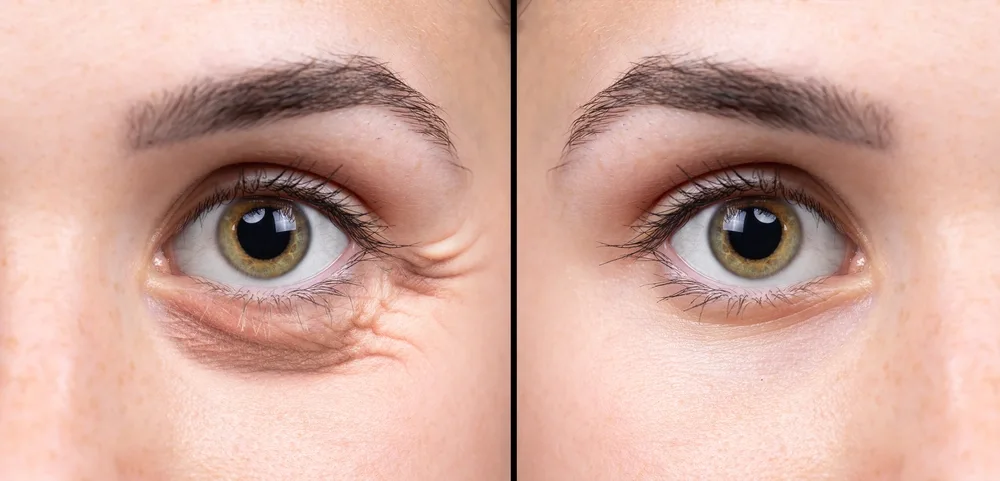
Eye bags can make you look tired even when you’re well-rested. These puffy areas under your eyes often appear due to ageing, fluid retention, or lack of sleep. Finding the right treatment to remove eye bags depends on your budget, time, and how severe the problem is.
Understanding What Causes Eye Bags
Eye bags form when the tissue around your eyes weakens and sags. Fat that normally supports your eyes can move into your lower eyelids, creating a puffy appearance. Fluid can also collect in this space, making the puffiness worse in the morning.
Several factors contribute to eye bags developing over time. Ageing naturally weakens the muscles and tissues around your eyes. Genetics play a role too, as some people are simply more prone to developing them.
Lifestyle choices affect how prominent your eye bags become. Smoking, alcohol consumption, and poor sleep habits can all make them more noticeable. Allergies and sinus problems sometimes cause temporary puffiness that looks like eye bags.
Home Treatments For Eye Bags
Cold compresses are a simple treatment to remove eye bags that you can try right away. Place a cold spoon, cucumber slices, or chilled tea bags under your eyes for 10-15 minutes. The cold helps reduce swelling and tightens the skin temporarily.
Getting enough quality sleep makes a real difference in reducing puffiness. Sleep on your back with your head slightly elevated to prevent fluid from pooling under your eyes. Aim for seven to nine hours each night for the most noticeable results.
Eye creams containing caffeine, vitamin C, or retinol can help improve the appearance of eye bags. These ingredients work by tightening skin, boosting circulation, and encouraging collagen production. Apply them gently with your ring finger to avoid pulling on delicate skin.
Lifestyle Changes That Help
Reducing salt intake prevents your body from retaining excess fluid. Too much sodium causes water to collect in various areas, including under your eyes. Check food labels and cook more meals at home to control your salt consumption.
Staying hydrated throughout the day helps your body flush out excess sodium. Drink water regularly rather than waiting until you feel thirsty. Proper hydration also keeps your skin looking plumper and healthier overall.
Managing allergies stops them from causing temporary eye puffiness. Use antihistamines when needed and keep your bedroom free from dust and allergens. Washing your pillowcases weekly also reduces exposure to irritants whilst you sleep.
Professional Clinic Treatments
Dermal fillers offer a non-surgical treatment to remove eye bags by adding volume beneath them. A practitioner injects hyaluronic acid into the hollows under your eyes to create a smoother transition. Results typically last between six months to a year.
Chemical peels improve skin texture and tighten the area around your eyes. A specialist applies a solution that removes damaged outer layers of skin. This encourages new, firmer skin to grow in its place.
Laser resurfacing uses focused light to stimulate collagen production under your eyes. The treatment tightens loose skin and reduces the appearance of bags. Multiple sessions usually provide the most noticeable improvement.
Surgical Options For Eye Bags
Blepharoplasty is a surgical procedure that removes excess fat and skin from your lower eyelids. A surgeon makes small incisions either inside the eyelid or just below the lash line. This treatment to remove eye bags provides permanent results for many people.
The procedure typically takes one to two hours under local anaesthesia. Recovery involves bruising and swelling for about two weeks. Most people can return to normal activities within 10 days.
Results from eyelid surgery can last for years or even permanently. The procedure addresses the root cause by removing excess tissue. However, natural ageing will continue, so some changes may occur over time.
Comparing Costs And Results
Home treatments cost very little but require consistent daily effort. You might spend £10-50 on eye creams and cold compress tools. Results are temporary and subtle, disappearing if you stop the routine.
Clinic treatments range from £200-800 per session depending on the procedure. Fillers and lasers need repeat visits every few months or years. These options provide more noticeable results than home care alone.
Surgery costs between £2,000-5,000 but offers the most dramatic change. The results last much longer than non-surgical options. Recovery time and potential risks need careful consideration before choosing this route.
Making The Right Choice For You
Start with home remedies if your eye bags are mild and you’re on a tight budget. These simple changes often make a noticeable difference within a few weeks. Track your progress with photos to see if the improvements meet your expectations.
Consider clinic treatments when home care doesn’t provide enough improvement. Book consultations with qualified practitioners to discuss which treatment to remove eye bags suits your needs. Ask about their experience, potential side effects, and realistic outcomes.
Surgery makes sense for severe eye bags that don’t respond to other treatments. Choose a qualified surgeon with specific experience in eyelid procedures. Understand all risks and have realistic expectations about recovery time and final results.